2026 MID-YEAR BUDGET SHOWS MACRO ECONOMIC PROGRESS BUT GOVERNMENT MUST DELIVER MORE ON CAMPAIGN PROMISES – ECONOMIST KUSI BOAFO
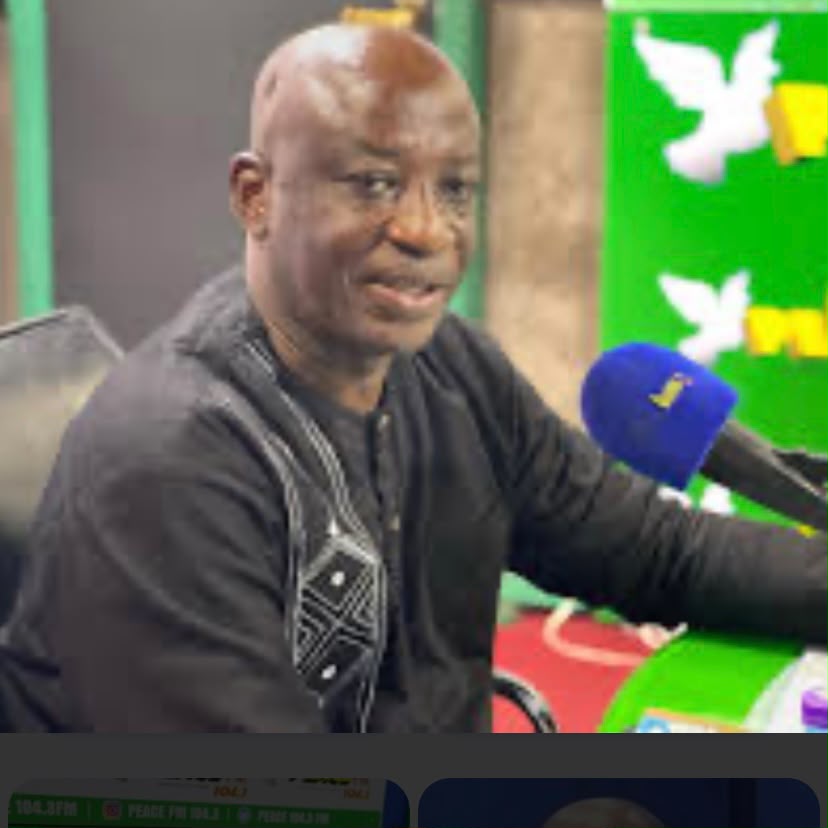
Economist Kusi Boafo has described Ghana’s 2026 Mid-Year Budget Review as evidence of improving macroeconomic stability but says the gains have yet to translate into meaningful improvements in the lives of ordinary Ghanaians.
Speaking in an interview on ICADTV’s Ghana Nti Morning Show, Kusi Boafo rated the government’s overall performance 5 out of 10, stating that although some progress has been made, many of the National Democratic Congress (NDC)’s campaign promises are yet to be fulfilled.
According to him, key national challenges, including illegal mining (galamsey), unemployment, and the completion of stalled development projects, remain unresolved despite signs of economic recovery.
“The economy is fairly stable, but it is still not resilient enough to withstand any major external economic shocks,” he said.
Kusi Boafo called on Finance Minister Dr. Cassiel Ato Forson to clearly explain the basis of the country’s economic stability by providing a detailed breakdown of government revenue and expenditure for the first half of the year. He said the Minister should demonstrate whether the revenue generated between January and June was sufficient to finance public spending, whether expenditure remained within sustainable limits, and whether the country recorded a fiscal surplus or deficit.
He further urged the Finance Minister to indicate whether Ghana has built sufficient fiscal buffers to withstand unforeseen external shocks and economic emergencies.
Touching on the implementation of the NDC’s manifesto, Kusi Boafo said the government must provide a comprehensive update on the progress made in delivering its key campaign promises, particularly the flagship 24-hour economy policy.
He argued that the construction of 24-hour markets alone does not constitute a 24-hour economy. According to him, the policy should focus on expanding manufacturing, agriculture, and industrial production while creating an enabling environment for businesses and public institutions to operate around the clock. He added that government should prioritise the production and consumption of Made-in-Ghana goods, reduce dependence on imports, and strengthen exports to drive sustainable economic growth.
Kusi Boafo also questioned the Finance Minister’s reliance on the Alkire-Foster Multidimensional Poverty Index to support the claim in the 2026 Mid-Year Budget Review that 950,000 Ghanaians have been lifted out of multidimensional poverty.
He argued that relying primarily on qualitative indicators does not accurately reflect the economic realities facing many Ghanaians. According to him, possessing a National Health Insurance Scheme (NHIS) card does not automatically mean a person has escaped poverty. Likewise, employment alone should not be considered a measure of economic well-being if the job is temporary, lacks social security benefits, or provides wages that are insufficient to meet basic living expenses.
He added that access to education, while important, should not be used as the sole indicator of poverty reduction, insisting that such measures provide only a partial picture of people’s living conditions.
Kusi Boafo therefore urged the finance minister to provide a more comprehensive explanation of the data and methodology behind its claim that 950,000 Ghanaians have been lifted out of multidimensional poverty. He maintained that the true measure of economic progress should be reflected in improved household incomes, sustainable employment opportunities, and a better standard of living for citizens.